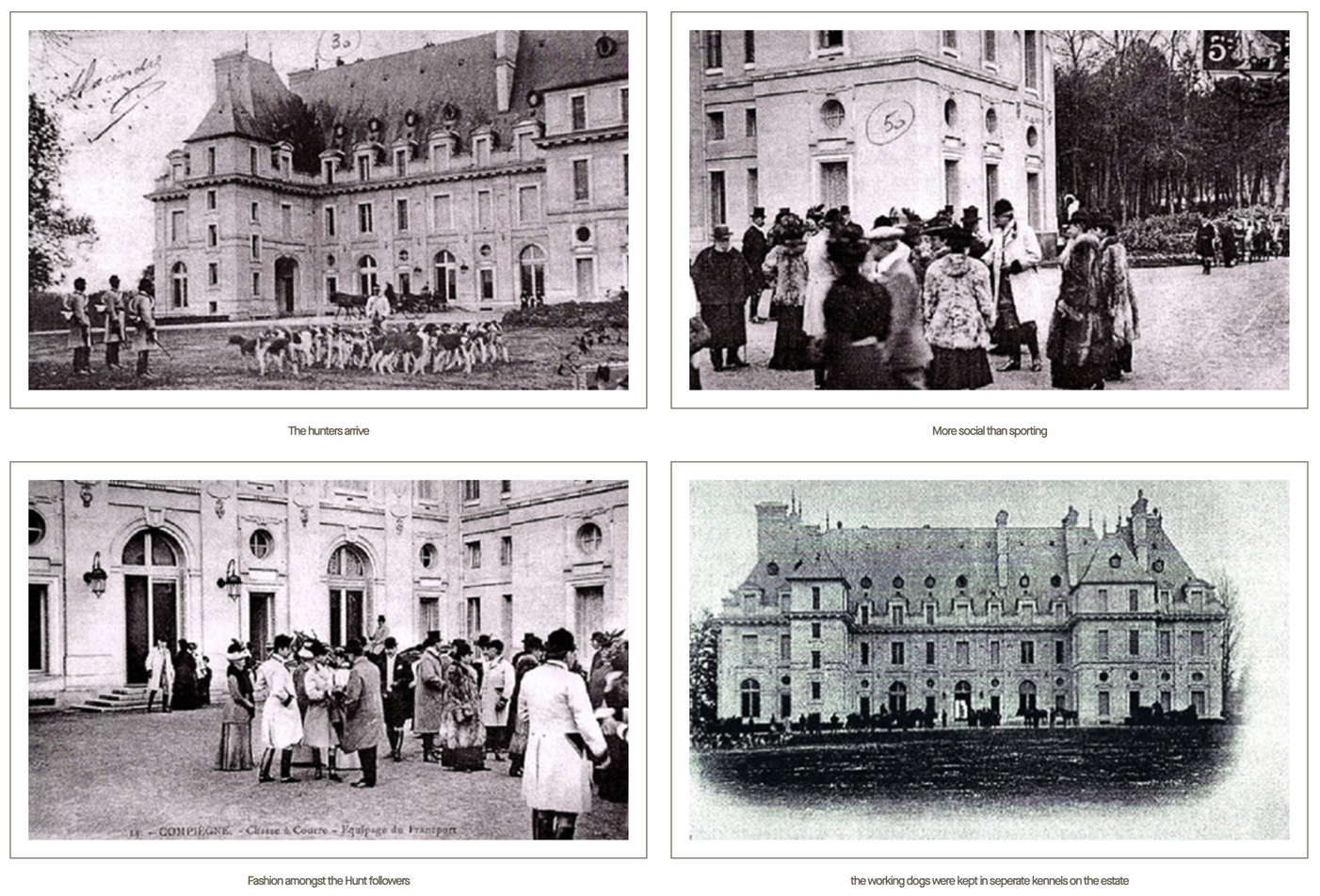

The surrounding forest of Compiègne was, for centuries, the playground and battleground of the French kings. It was on the outskirts of Compiègne that Joan of Arc was captured by the Burgundians, later to be sold to the English.
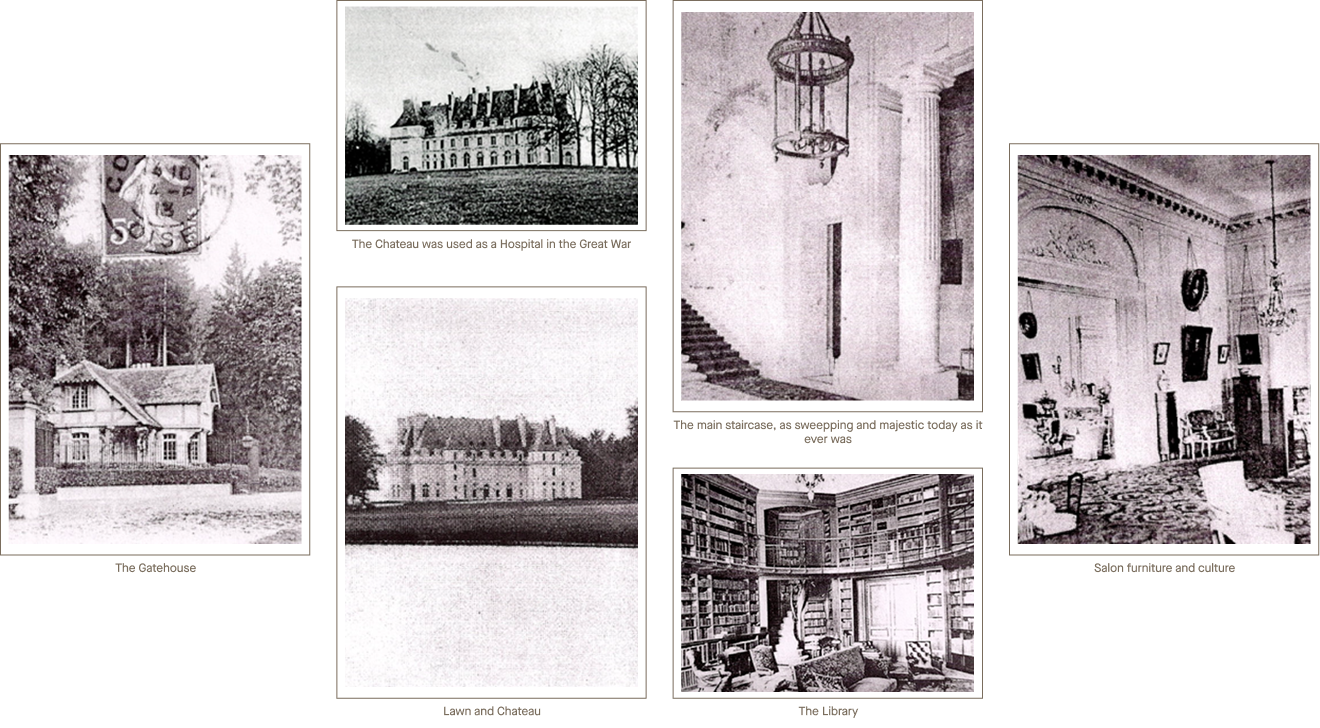
The property was built in the mid 19th century for the Marquis de L’Aigle and had many noble visitors including Napoleon III. The Château is where the German delegates resided for the Armistice negotiations on the 11th November, 1918. Not half a kilometre from the Château stands the Clairière de l’Armistice, the clearing into which leads a remote railway line, chosen by the allies to be the scene of the German surrender at the end of The Great War. It is also home to a Museum and the original railway carriage where the surrender took place. Following the capitulation of the Third Reich in 1945, the site was rebuilt and restored as a haven of peace and tranquility to reflect on previous tragedies.